
Equipo Whiplash, 12 de diciembre de 2025
Branding sin propósito es solo diseño bonito
Hoy, lo que realmente diferencia a una marca no es su logotipo ni su eslogan, sino el sentido que la impulsa. El propósito se ha convertido en el cimiento imprescindible sobre el que se construye una identidad de marca sólida, coherente y capaz de generar vínculos duraderos más allá de lo estético.
El branding ya no puede limitarse a diseñar símbolos, elegir colores o desarrollar claims pegadizos. Las marcas necesitan hoy una razón de ser clara, articulada y honesta. Esa razón de ser —el propósito— actúa como el hilo conductor que da coherencia a todas las decisiones estratégicas, desde la cultura interna hasta la experiencia del cliente.
Simon Sinek, autor de Start With Why, popularizó esta idea al afirmar que “la gente no compra lo que haces, sino por qué lo haces”. Esta frase, lejos de ser un mantra inspiracional, es una advertencia a todas aquellas marcas que siguen construyéndose desde la superficie, sin un núcleo que justifique su existencia.
Diseño sí, pero con dirección
El diseño sin propósito se convierte en un ejercicio de estilo, susceptible de envejecer tan pronto como cambien las tendencias visuales. En cambio, cuando el diseño está guiado por un propósito, gana solidez y perdurabilidad. No se trata solo de verse bien, sino de comunicar quién eres, para qué existes y cómo te diferencias de forma honesta.
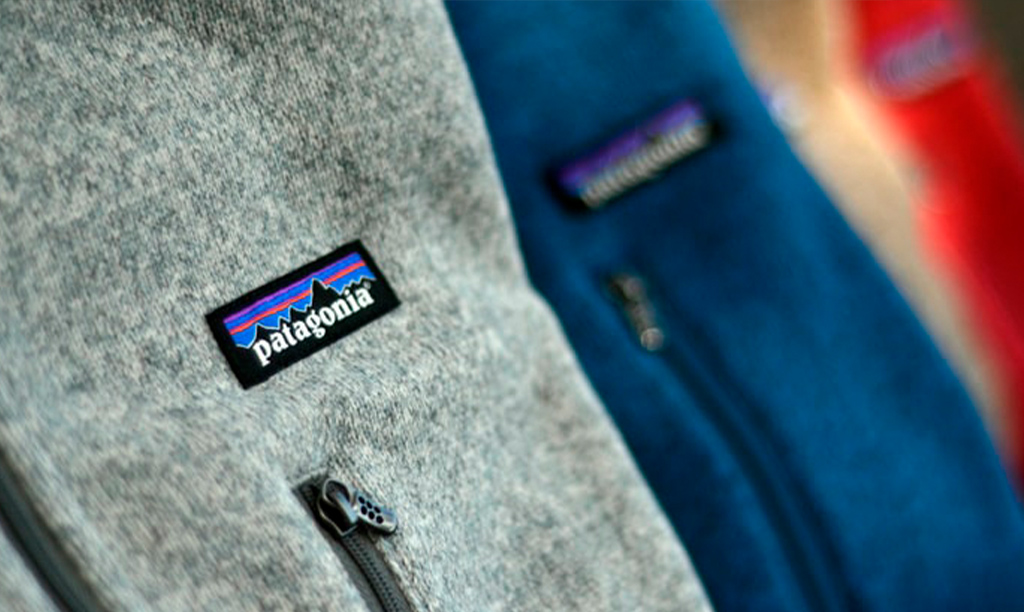
Marcas como Patagonia, por ejemplo, han demostrado cómo el diseño puede convertirse en una herramienta potente al servicio de una causa. Su identidad visual no destaca por ser revolucionaria, sino por ser coherente con su compromiso medioambiental. En 2022, su fundador Yvon Chouinard donó la empresa a un fondo que lucha contra la crisis climática. Esa acción no solo reforzó su propósito: lo convirtió en una verdad tangible.
Autenticidad o artificio: el cliente lo nota
Una de las consecuencias de la hiperexposición digital es que los públicos se han vuelto expertos en detectar la incoherencia. La desconfianza hacia marcas que adoptan propósitos postizos —el ya conocido “purpose-washing”— está en aumento. Según un estudio de Accenture, el 62% de los consumidores esperan que las marcas tomen posición sobre cuestiones relevantes, pero el 53% se decepciona cuando no lo hacen con autenticidad.
En este contexto, el propósito no puede formularse como un eslogan bonito o como un artefacto decorativo del branding. Debe ser operable, medible y estar presente en las decisiones del día a día. Debe nacer de una reflexión profunda, conectada con la realidad del negocio y con los valores de quienes lo forman.
El branding como herramienta de transformación
Cuando el propósito se traduce en acciones concretas, el branding deja de ser una función decorativa para convertirse en un agente de transformación. Internamente, alinea equipos. Externamente, crea vínculos emocionales duraderos.
Una marca con propósito puede liderar conversaciones, influir en comportamientos e incluso modificar industrias. El caso de Tony’s Chocolonely, que lucha activamente por eliminar la esclavitud infantil en la cadena del cacao, es un ejemplo de cómo un propósito claro puede estructurar no solo la comunicación, sino también el modelo de negocio y la propuesta de valor.
En última instancia, el propósito permite a las marcas trascender su función comercial. No se trata de vender más, sino de aportar algo significativo. En ese camino, el diseño deja de ser un envoltorio para convertirse en una declaración de principios.